The difference between In Person and Virtual Care
In person vs Virtual Postpartum Care

If you’re reading this, you’re probably thinking about what your postpartum care and support looks like. I just want to take a minute to congratulate you. Not only on your pregnancy, which of course is worth celebrating. But also, on taking the conscious effort to look at ways to support your postpartum. That is truly admirable!
The postpartum period is one of the most tender, transformative times in a woman’s life. It’s raw, beautiful, overwhelming and all these feelings are valid and can co-exist. That’s important to remember!
We were never meant to do this alone…
The truth is: Whatever your postpartum care and support journey looks like, it’s yours. Only you can decide how and what that looks like. As always, I’ll be here as a soft landing, if you have any questions or need a listening ear.
Let’s gently explore the difference…
What would in person support look like?
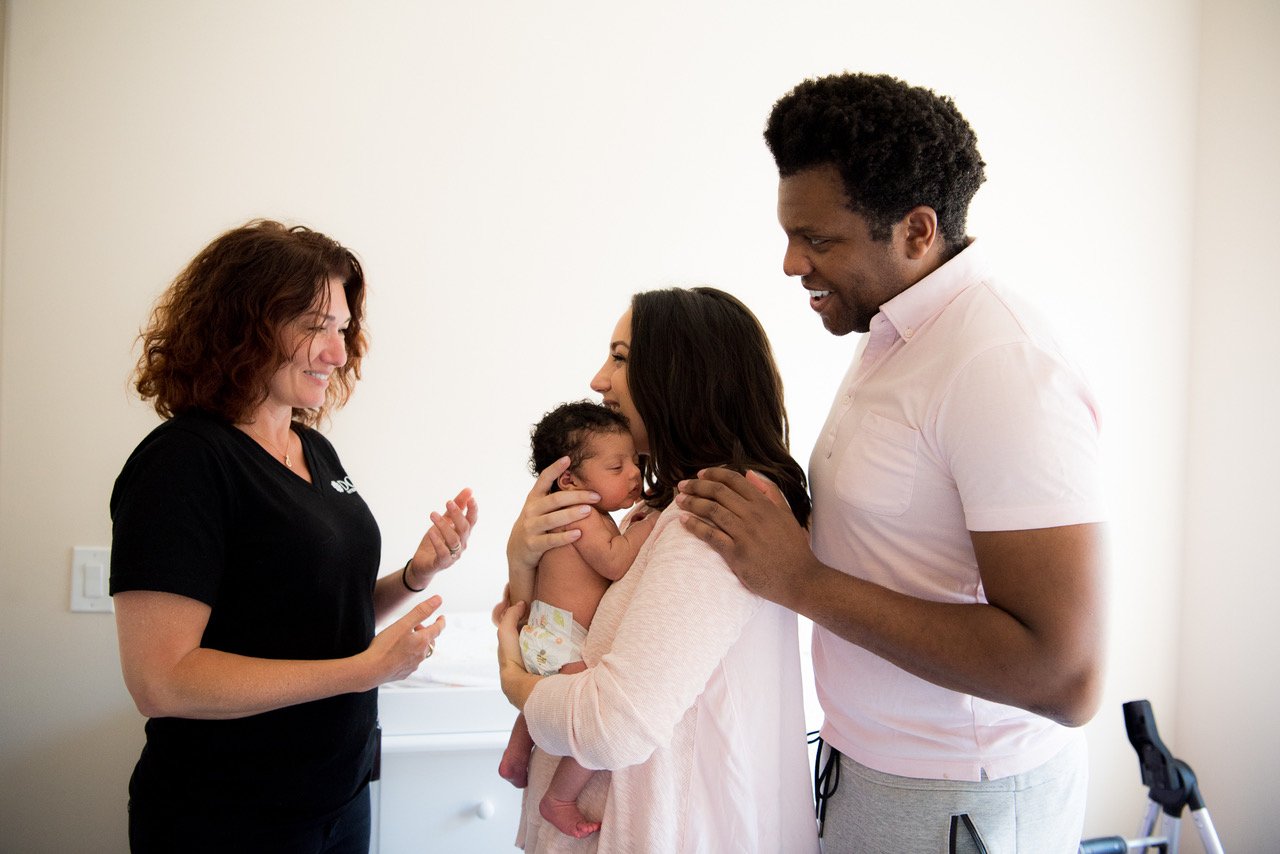
In-person postpartum care is often described as feeling like someone stepping into your world.
A postpartum doula or support person comes into your home, meets you exactly where you are, and supports you in very tangible, practical ways.
What does virtual support look like?

Virtual postpartum care looks different – but it can still be deeply supportive, empowering, and connective. This type of care usually takes place via video calls, voice notes, messaging, or online resources. It offers flexibility and accessibility, especially for mothers who may not have local support available.
The key differences:
In person support includes hands on baby care support with feeding, settling, soothing. Emotional support through presence, listening and reassurance. Light household help such as, meal prep, laundry and tidying. Realtime practical guidance in your own space. Holding baby so you can rest, shower, or simply, breathe.
Virtual support includes education around postpartum recovery, hormones, sleep and matrescence. Emotional check ins and mental health support. Planning sessions for boundaries rest and realistic expectations. Ongoing reassurance via messaging or calls. A safe space to process your experience and feelings.
In-person care is especially supportive if:
You feel overwhelmed, anxious, or very depleted
You need physical rest and hands-on help
You crave human connection and reassurance
You don’t want to explain or “perform” how you’re feeling
It can feel deeply nurturing and grounding during those early weeks when everything feels unfamiliar.
Virtual support can be a great fit if:
You don’t have access to in-person care locally
You prefer support from your own familiar space
You need flexibility around timing
You want education, guidance, and emotional holding
You’re navigating anxiety, overwhelm, or identity shifts
For many mothers, knowing someone is just a message or call away can be incredibly comforting.

There Is No “Better” Option – Only the Right One for You
One form of support is not more valid than the other and needing support – of any kind – does not mean you’re failing. Some mothers thrive with in-person care, while some feel more comfortable starting virtually. Many choose a blend of both.
What matters most is that you feel seen, supported, and not alone during this season, because postpartum isn’t meant to be endured – it’s meant to be held.
A Gentle Reminder
If you’re reading this while pregnant, consider this your permission slip to plan for yourself, not just your birth. If you’re reading this postpartum and thinking, “I wish I’d had more support,” it’s not too late. Support can meet you at any point.
You deserve care, too. You deserve to feel held – in whatever way feels safest for you. Ready to explore your options?
Love & Light, always.
Jade the Postnatal Doula xxx
“Womb to world, heart to home, for the woman becoming Mama, and the family becoming whole.”
